According to UNESCO (2023), the adoption of digital tools makes it possible to transform education and learning; however, to encourage their use—especially in less developed countries—discussions about technology adoption should focus more on education rather than on technology itself. Therefore, promoting internet access and, especially, the effective integration of technologies into educational activities are critical actions.
The report “Artificial Intelligence and Other Digital Tools for Education” presents an overview of the teaching context in regular basic education and technical–productive education in Peru with regard to the use of digital tools. This allows for a better understanding of the current state of adoption and the potential opportunities.
What are digital tools?
They include any software, intangible program, or non-physical component that may be located on machines or other devices and technologies, and that are used to perform or facilitate various everyday tasks carried out digitally (such as the creation, access, distribution, and management of digital content).
How was this report developed?
The results presented are based on a survey administered nationwide to teaching staff in 2024. This report was prepared by Neurometrics in collaboration with the Center for Education and Training – EDURED. The survey consisted of questions about teachers’ experiences and opinions regarding the use of and training in digital tools for education.
The principal responses were grouped into the following main sections:
- Internet access
- Digital tools
- Perceptions of ICT
- Learning new tools
- Artificial intelligence for education
Some findings from the report:
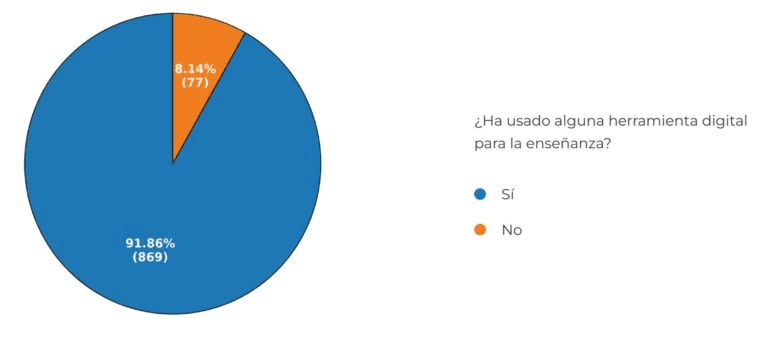
The use of digital tools for teaching activities
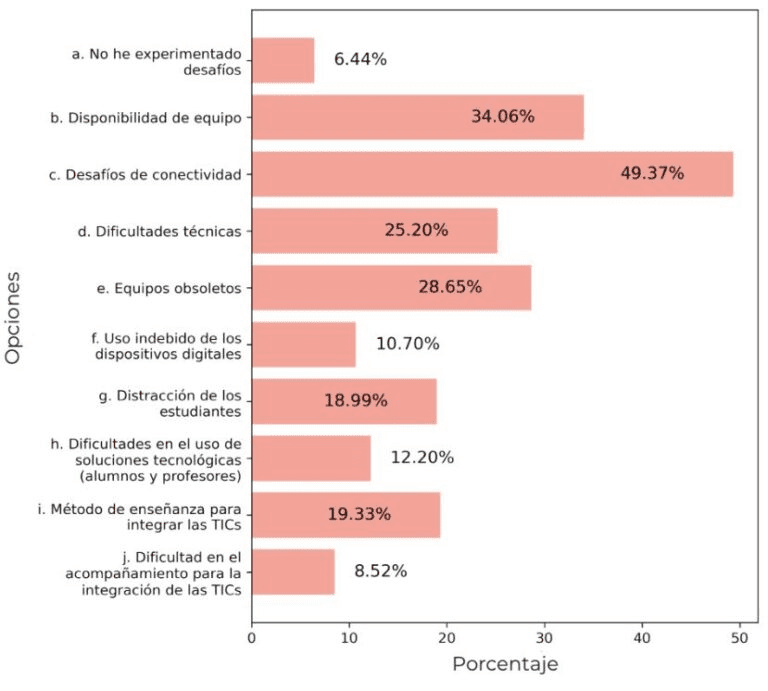
Challenges percieved by teachers when using digital tools in the class
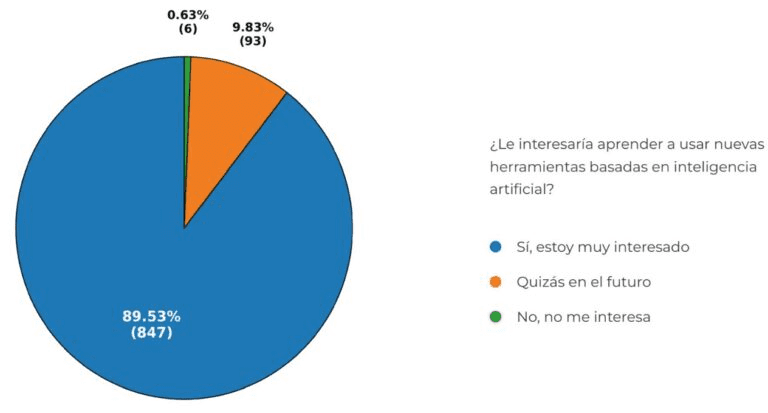
Teachers´ interest in learning to use tools based on Artifical Intelligence
EDITIONS
2024